
No, not all components are compatible, but many parts like pipes, fittings, and wall inlets are standardized across most brands.
The Compatibility Puzzle: A Homeowner’s Dilemma
It’s a scenario many homeowners face. A crucial part of your central vacuum system breaks—the hose cracks, a wall inlet cover shatters, or the powerhead stops spinning. Your first thought is a simple replacement. But then a wave of uncertainty hits. Do you need to find the exact same brand? Will a universal part from a big-box store work? This is the heart of the great debate: are all central vacuums compatible? The fear of buying the wrong part and wasting time and money is real. You just want your powerful, convenient cleaning system back online without a major headache.
The world of central vacuums can seem like a complex web of proprietary parts and confusing standards. It feels like you need an engineering degree just to figure out if a hose from one brand will work with the inlets of another. This confusion can lead to frustration and sometimes even abandoning a perfectly good system for a portable vacuum, which defeats the whole purpose of your initial investment. We are here to clear the air and provide the definitive answers you need. We’re going to decode the standards, demystify the components, and give you the confidence to repair, replace, or upgrade your system with ease.
Understanding the Central Vacuum Ecosystem
Before we can talk about compatibility, we need to understand the team of players involved. A central vacuum system is more than just the big canister in the garage. It’s a network of components working in harmony. Knowing each part’s role is the first step to unlocking the compatibility puzzle.
The Power Unit: The Heart of the Operation
What it is: This is the main canister, typically installed in a garage, basement, or utility closet. It houses the motor and the dirt collection bin or bag. This is where all the suction is generated.
Why it matters for compatibility: The power unit is the most complex part of the system. Its motor size, amperage draw, and control board are specific to the manufacturer. While it connects to a standard pipe, its internal workings are highly proprietary. This is the least compatible component in the entire system.
The PVC Tubing: The System’s Arteries
What it is: A network of pipes, usually made from thin-walled PVC, that runs through your walls, attic, and crawlspaces. It connects the power unit to all the wall inlets throughout your home.
Why it matters for compatibility: This is the bedrock of standardization. For decades, the industry has almost universally adopted a standard size for this tubing: 2-inch outer diameter (O.D.). This single standard is what makes much of the cross-brand compatibility possible.
The Wall Inlets (Valves): The Access Points
What it is: These are the covered ports on your walls where you plug in the vacuum hose. They have a flap or door and two small metal contacts inside that activate the power unit.
Why it matters for compatibility: Like the tubing, wall inlets are also highly standardized. They are designed to fit the 2-inch pipe and have a standard 1.5-inch inner diameter (I.D.) opening to accept the hose. The two low-voltage pins are also placed in a standard configuration. This means you can often replace an old, discolored inlet with a new one from a different brand without any issue.
The Hose & Attachments: The Tools You Handle
What it is: This is the long, flexible hose, the metal wand, and the various cleaning heads (floor brushes, crevice tools, and powerheads) that you use to clean.
| Product Type | Product Name | Our Rating | Image | Check Price at Amazon.com |
|---|---|---|---|---|
| Featured Product | SWIMLINE HYDROTOOLS Manual Pool Vacuum Head Attachment For Inground & Above Ground Pools Price captured June 22, 2026: $23.51 | ★★★★★ 5.0/5 |  | Check Price at Amazon.com |
| Central Vacuum Wall Inlet | Central Vacuum Coupling Built-in PVC Pipe Fitting Price captured June 22, 2026: $9.65 | ★★★★★ 4.9/5 |  | Check Price at Amazon.com |
| Central Vacuum Attachment Kit | Shop Vac 1-1/4" Crevice Tool with 2 Extension Wands Price captured June 22, 2026: $11.99 | ★★★★★ 5.0/5 | 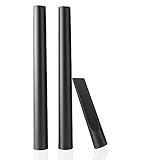 | Check Price at Amazon.com |
| Non-Contact Voltage Tester | Klein Tools RT250 GFCI Outlet Tester with LCD Display Price captured June 22, 2026: $24.97 | ★★★★★ 5.0/5 |  | Check Price at Amazon.com |
| PVC Pipe Cutter | Ridgid CC247 RIDGID 40617 Model 101 Close Quarters Tubing Cutter Price captured June 22, 2026: $27.98 | ★★★★★ 5.0/5 | 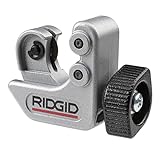 | Check Price at Amazon.com |
Why it matters for compatibility: This is where things get a bit more nuanced. While the end that plugs into the wall is standard, the type of electrical connection it carries is not. Furthermore, the attachments themselves connect to wands that have a near-universal diameter of 1.25 inches, making most simple tools interchangeable.
Decoding Central Vacuum Compatibility: A Component-by-Component Analysis
Now that we know the players, let’s dive deep into the specifics. Where can you mix and match freely, and where do you need to exercise caution? The answer to “are all central vacuums compatible” is a series of smaller answers.
The Universal Foundation: The 2-Inch Pipe Standard
The single most important factor enabling compatibility is the PVC tubing. Almost every residential central vacuum system installed in the last 40 years uses the same 2-inch outer diameter pipe. This means that the fundamental “skeleton” of your system is brand-agnostic.
- What this means for you: You can buy fittings, elbows, and pipes from any central vacuum supplier or even a local hardware store, and they will fit your existing system. If you need to add a new inlet or repair a damaged section of pipe, you don’t need to hunt down the original brand.
- The Exception: Some very old systems or proprietary commercial systems might use a different size, but for 99% of homes, 2-inch is the rule. It’s always wise to measure a piece of your existing pipe just to be certain before making a purchase.
Wall Inlet Compatibility: A Tale of Two Pins
Wall inlets are your system’s plug-in points, and thankfully, they are remarkably interchangeable. The vast majority of manufacturers adhere to the same design specifications.
The Standard Design: A typical inlet is designed to be glued onto the 2-inch PVC pipe. It has a 1.5-inch opening to accept the hose end and features two small metal pins inside. When the metal end of the hose is inserted, it connects these two pins, completing a low-voltage circuit that signals the main power unit to turn on.
| Inlet Feature | Standard Measurement/Type | Compatibility Verdict |
|---|---|---|
| Pipe Connection | Fits 2-inch O.D. PVC pipe | Highly Compatible |
| Hose Opening | 1.5-inch I.D. | Highly Compatible |
| Activation System | Two low-voltage contact pins | Highly Compatible |
| Mounting Plate | Standard screw placement | Highly Compatible |
What this means for you: You can replace a broken or dated wall inlet from a brand like Nutone with a new one from a brand like Beam or any other major manufacturer. This is great for aesthetic upgrades, as you can switch from old almond-colored inlets to modern white or black ones without worrying about function.
The Great Hose Debate: Universal vs. Proprietary
The hose is where compatibility starts to require more attention. While the end that plugs into the wall is standard, the type of power it’s designed to carry is not. This is the most common point of failure for homeowners trying to mix and match.
Low-Voltage Hoses: The Common Standard
These are the simplest hoses. They only have the two low-voltage conductors needed to turn the main unit on and off. They cannot power an electric powerhead with a spinning brush. They are designed for suction only or for use with air-driven (turbo) brush heads.
- How to identify: The wall-end of the hose has a simple metal ring. The handle-end has no electrical sockets.
- Compatibility: These are almost universally compatible with any standard central vacuum inlet.
High-Voltage (110V) Hoses: The Power Players
These hoses are more complex. They carry both the low-voltage signal and a separate 110/120-volt current to power an electric powerhead. This is essential for deep cleaning carpets. These come in two main styles:
- Direct Connect Hoses: The wall inlet itself has two small pinholes in addition to the main 1.5-inch opening. The hose end has two corresponding pins that plug into these holes to get the 110V power directly from the wall. These systems require special electrified inlets.
- Pigtail Hoses: The hose has a short, secondary power cord (a “pigtail”) that comes off the main handle near the wall. You plug the main hose into the inlet for suction and the pigtail into a nearby standard electrical outlet for power.
The Critical Mismatch: You cannot use a Direct Connect hose with a standard low-voltage inlet and expect the powerhead to work. Similarly, a pigtail hose won’t work if you don’t have a regular electrical outlet near your vacuum inlet. You MUST match the hose type to your inlet type.
Power Unit Swaps: The Real Challenge
This is where we must be most cautious. While you can physically connect almost any power unit to a standard 2-inch pipe, it is strongly advised not to mix and match power unit brands with your existing system without professional consultation.
The Physical Connection: It Almost Always Fits
As mentioned, the intake and exhaust ports on most power units are designed for 2-inch pipes. So, from a plumbing perspective, you can often hook up a new Cana-Vac unit to pipes that once led to an old Electrolux unit. But the physical fit is only a tiny part of the equation.
The Electrical and Performance Mismatch
Here’s why mixing power units is a bad idea:
- Motor Specifications: Motors differ in amperage, wattage, and the number of stages (fans). A new unit might overload the dedicated circuit your old one ran on, causing breakers to trip constantly.
- Control Boards: The electronic control board is the brain of the unit. It’s designed to work with the specific motor and relays of that model. Connecting it to a system it wasn’t designed for can lead to malfunction or damage.
- Suction Power (Airwatts): Central vacuum systems are designed as a whole. The power of the unit is matched to the approximate length of the pipe run and the number of inlets. Installing a unit that is far too powerful can actually be inefficient, while one that’s too weak will provide disappointing performance.
Attachments and Powerheads: The Final Frontier
Good news! Most basic attachments are universally compatible. The industry has largely standardized on a 1.25-inch diameter for wands. This means your old crevice tool, dusting brush, and hard floor tool will almost certainly fit on a new wand, regardless of brand.
The only exception, once again, is the electric powerhead. The powerhead must be compatible with the hose. You cannot plug a Direct Connect powerhead into a Low-Voltage hose and expect it to work. The connectors and voltage requirements must match perfectly.
The Verdict: So, Are All Central Vacuums Compatible?
After our deep investigation, we can deliver a definitive verdict. No, not all central vacuums and their parts are universally compatible. However, the industry has strong standards for many core components, which allows for a surprising amount of cross-brand flexibility.
Here is the final breakdown:
- PVC Pipes and Fittings: YES. This is the most standardized part of any system.
- Wall Inlets / Valves: YES. The vast majority are interchangeable in both size and electrical connection.
- Basic Attachments (Non-Electric): YES. The 1.25-inch wand diameter is a near-universal standard.
- Hoses and Electric Powerheads: SOMETIMES. You must match the electrical type. A low-voltage hose is widely compatible for suction, but an electric hose must match the type of your wall inlets (Direct Connect or Pigtail).
- Power Units (Canisters): NO. It is not recommended to use a power unit from a different manufacturer than your original system without consulting an expert. The risks of electrical and performance mismatches are too high.
Your Final Compatibility Checklist
Navigating a repair or upgrade for your central vacuum doesn’t have to be a guessing game. By understanding which parts are standardized and which are not, you can make smart, cost-effective decisions. The answer to the question “are all central vacuums compatible” is a nuanced one, but it’s one you are now equipped to handle. You can confidently buy new inlets to freshen up your home’s look or replace a simple suction hose without worrying about the brand. For more complex components like power units, you know to stick with the original manufacturer or seek professional advice. This knowledge puts the power back in your hands, ensuring your central vacuum system remains a formidable and reliable part of your cleaning routine for years to come.
Frequently Asked Questions
Can I use a Nutone hose with a Beam system?
Yes, in most cases. If you are using a basic low-voltage hose (for suction only), it will work with any standard Beam inlet. If you need to power an electric Nutone powerhead, you must ensure your Beam inlets are the correct type (Direct Connect or that you have an outlet for a Pigtail) to match the Nutone hose.
Are all central vac inlets the same size?
For the vast majority of residential systems, yes. They are designed to fit a 2-inch outer diameter pipe and have a 1.5-inch inner diameter opening for the hose. This high level of standardization means you can usually replace an inlet from one brand with another.
What happens if I install a power unit that’s too powerful?
Installing a power unit with significantly higher airwatts than your original system was designed for can lead to inefficiency. While it seems counterintuitive, excessive suction can cause turbulence in the pipes and may not translate to better cleaning at the hose end. More critically, it could draw more amperage than the circuit is rated for, leading to tripped breakers.
How do I know if I have a low-voltage or high-voltage hose?
Look at the handle of your hose. If it has a socket or plug designed to connect to an electric powerhead with a spinning brush, it’s a high-voltage hose. If it has no electrical connections on the handle, it’s a low-voltage hose designed for suction-only tools or air-driven (turbo) brushes.
Can I replace just the wall inlet cover?
Yes. Many manufacturers sell replacement doors or covers for their inlets. Because the overall shape of inlets is quite standard, you may even find that a cover from a different brand fits your existing inlet body, which is perfect for a quick and inexpensive repair.
Do all central vacuum attachments fit all wands?
Most of them do. The standard wand diameter in the industry is 1.25 inches. This means attachments like crevice tools, upholstery brushes, and hard floor tools are generally interchangeable between brands.
Is it hard to replace a central vacuum inlet?
No, it’s a fairly simple DIY project for most homeowners. It involves turning off the power to the system at the breaker, removing the old inlet, and connecting the low-voltage wires to the new one. The new inlet is then typically screwed into the existing mounting bracket. The most important part is ensuring the low-voltage wires are securely connected.
Can I add a new inlet to my existing system?
Yes, you can tee off an existing pipe run to add a new inlet. This is a more involved project that requires cutting into your existing PVC tubing and running a new pipe and low-voltage wire to the desired location. While possible for a skilled DIYer, many people hire a professional for this type of modification.

Brandy A. Cherney lovingly refers to herself as a cleaning geek, born and bred in South Carolina but moved to New York City to earn her B.A. in English. She is currently a wife, and mother of two children, two cats, and a dog. Brandy has always loved writing, but never thought she would write for a living.