
Keeping your Shark cordless vacuum in top shape is not just about emptying the dustbin. The real secret to strong suction and clean air is in the filter. Over time, dust, pet hair, and tiny particles build up inside. If you ignore the filter, your vacuum’s power will drop, and you’ll even spread dust around your home. But don’t worry—cleaning a Shark cordless filter is easy when you know what to do. Whether you just bought your first Shark or you’ve owned one for years, this guide will walk you through everything you need to know, step by step.
You’ll learn how often to clean your Shark cordless filter, which cleaning method works best for your model, and how to avoid common mistakes that can damage your vacuum. We’ll also cover smart tips for people with allergies, what to do if your filter smells, and how to tell if it’s time for a replacement.
By the end, your Shark cordless will run stronger, last longer, and keep your home fresher every day.
Why Clean Your Shark Cordless Filter?
A Shark cordless vacuum is designed for convenience and powerful cleaning. However, the heart of its performance is the filter. When the filter gets clogged, you might notice the vacuum isn’t picking up dirt as well, the battery drains faster, or there’s even an odd smell. Here’s why regular cleaning is so important:
- Maintains suction power: Dust and debris in the filter restrict airflow. If the filter is dirty, your vacuum can lose up to 30% suction power.
- Protects the motor: A blocked filter makes the motor work harder, which can lead to overheating or even permanent damage.
- Improves air quality: Clean filters trap dust, pollen, and allergens, so they don’t go back into your home’s air.
- Saves money: Well-maintained filters last longer, and you avoid expensive repairs or replacements.
Many Shark cordless vacuums, like the Shark ION, Shark Rocket, and Shark Navigator, use washable HEPA or foam filters. These need regular attention to keep working their best.
Types Of Shark Cordless Filters
Different models of Shark cordless vacuums use slightly different filters. Knowing which one you have helps you clean it correctly.
Foam And Felt Filters
Most Shark cordless vacuums use a combination of foam and felt filters. The foam filter traps larger particles, while the felt catches finer dust.
- Foam filter: Usually white or light gray, cylinder or disc-shaped.
- Felt filter: Thin, soft, sometimes black or white.
These are washable and reusable.
Hepa Filters
Some higher-end Shark cordless models include a HEPA filter. This filter is designed to trap 99.9% of tiny particles (as small as 0.3 microns), including pollen and dust mites.
- Usually rectangular or square, with a pleated design.
- Sometimes labeled “HEPA” on the housing.
Most Shark HEPA filters are washable, but always check your user manual.
Pre-motor And Post-motor Filters
- Pre-motor filter: Located before the motor, usually foam or felt.
- Post-motor filter: Often HEPA, catches anything that escapes the first filter.
Not all models have both, but many do.
Quick Model Comparison
Here’s a look at filter types for popular Shark cordless vacuums:
| Model | Foam/Felt Filter | HEPA Filter | Washable? |
|---|---|---|---|
| Shark ION F80 | Yes | No | Yes (Foam/Felt) |
| Shark Rocket Pet Pro | Yes | Yes | Yes |
| Shark Navigator Freestyle | Yes | No | Yes |
| Shark Vertex Cordless | Yes | Yes | Yes |

Credit: cleaning-hacks.sharkclean.co.uk
How Often Should You Clean Shark Cordless Filters?
The right cleaning schedule keeps your vacuum strong and your air clean. For most Shark cordless vacuums:
- Foam/felt filters: Clean every month for average use. If you have pets or allergies, clean every 2-3 weeks.
- HEPA filters: Clean every 2-3 months. If you vacuum daily or live in a dusty area, clean more often.
- Heavy use: If your vacuum smells, loses suction, or you see visible dirt on the filter, clean it right away.
Pro tip: Set a calendar reminder or label your vacuum with the last cleaning date.
Tools And Supplies You’ll Need
Cleaning your Shark cordless filter does not require special skills or expensive items. Here’s what you’ll need:
- Soft brush (like a toothbrush or paintbrush)
- Mild dish soap
- Warm water
- Clean towel or paper towels
- Scissors (for removing hair from filters)
- Compressed air can (optional, for stubborn dust)
- Replacement filter (if yours is damaged or worn out)
Never use bleach, harsh detergents, or a washing machine. These can damage the filter material.

Credit: paddywaytours.com
Step-by-step: How To Clean Shark Cordless Filter
Now let’s get hands-on. The process is simple, but it’s important to follow each step to avoid mistakes.
1. Turn Off And Unplug The Vacuum
For safety, always turn off your Shark cordless vacuum and remove the battery (if possible) before cleaning. This prevents any accidental starts and protects you from electric shock.
2. Locate And Remove The Filter
Open the dustbin compartment. Most Shark cordless vacuums have the filter right behind or under the dust cup.
- For cylinder models, twist or pull out the filter.
- For stick vacuums, the filter is often below the dustbin or inside a compartment.
Refer to your manual if you’re unsure. Avoid forcing anything—filters should slide or lift out easily.
3. Tap Off Loose Dust
Take the filter outside or over a trash can. Gently tap the filter to remove loose dirt and debris. This makes washing easier and prevents a mess indoors.
If you see hair or string wrapped around the filter, use scissors to carefully cut and remove it.
4. Rinse With Warm Water
Hold the foam or felt filter under running warm water. Squeeze gently to release trapped dirt. For HEPA filters, rinse until the water runs clear, but do not scrub or use soap unless the manufacturer says it’s safe.
Important: Never use hot water or high pressure—this can damage filter fibers.
5. Clean With Mild Soap (if Needed)
For filters with stubborn grime or odor, mix a few drops of mild dish soap in a bowl of warm water. Soak the filter for 5-10 minutes. Swish gently, then rinse thoroughly with water to remove all soap.
Do not use bleach, vinegar, or fabric softener. These can weaken the filter or leave a harmful residue.
6. Let The Filter Dry Completely
This step is crucial. After washing, gently squeeze out extra water and shake off drips. Lay the filter flat on a clean towel in a warm, dry place. Allow it to air dry for at least 24 hours.
Never use a hair dryer, oven, or direct sunlight to speed up drying. Heat can shrink or warp the filter, making it less effective.
7. Check For Damage
Once dry, inspect the filter. Look for tears, flattening, or signs of wear. If the filter looks damaged, replace it. Damaged filters can leak dust back into your home or harm your vacuum.
8. Reinstall The Filter
When the filter is fully dry and undamaged, place it back in the vacuum. Make sure it fits snugly and the compartment closes properly.
9. Test The Vacuum
Turn on your Shark cordless and check for strong suction and normal sound. If you notice weak suction or a strange noise, check if the filter is seated correctly.
Special Tips For Different Shark Cordless Models
Shark cordless vacuums share many similarities, but there are small differences you should know.
Shark Ion Series
- Foam/felt filters are at the top of the dustbin.
- Remove by twisting counterclockwise.
- Washable with water only.
Shark Rocket Cordless
- Filter is inside the main body, under a small cover.
- Use a brush to remove dust before rinsing.
Shark Navigator Cordless
- Filter is at the bottom of the dustbin.
- Some models have a secondary felt filter.
Shark Vertex Cordless
- Includes a HEPA filter behind a grill near the motor.
- Both foam and HEPA filters are washable.
- Wash HEPA gently and avoid soap unless the manual allows it.
Pro tip: Always check your model’s manual or the Shark website for diagrams and extra instructions.
What If Your Filter Smells Bad?
A musty or sour smell often means the filter was put back damp or has trapped pet hair and bacteria.
- Wash the filter as described above with mild soap.
- Dry it for at least 24 hours.
- If the smell remains, replace the filter.
Non-obvious insight: Don’t use air fresheners or perfumes on your filter. These can release chemicals into your home and may damage the filter material.
When Should You Replace The Filter?
Even with regular cleaning, filters wear out. Replace your Shark cordless filter if:
- It remains dirty or gray after washing.
- There are holes, tears, or crushed areas.
- Your vacuum’s suction stays weak after filter cleaning.
- The filter has a strong, persistent odor.
Most Shark filters last 6-12 months with regular cleaning. For busy homes or heavy use, consider changing filters every 6 months.
Here’s a quick comparison of filter lifespan by type:
| Filter Type | Average Lifespan | Washable? | Replacement Cost (USD) |
|---|---|---|---|
| Foam/Felt | 6-12 months | Yes | $10–$20 |
| HEPA | 12-18 months | Yes (most models) | $15–$30 |
| Non-washable HEPA | 6-12 months | No | $20–$40 |
Common Mistakes To Avoid
Many users make simple errors that can shorten the life of their Shark cordless filter or damage the vacuum. Here’s what to watch out for:
- Reinstalling a wet filter: This can cause mold, odor, or even motor damage.
- Using harsh cleaners: Bleach, vinegar, or strong soaps break down filter material.
- Skipping regular cleaning: Waiting until suction drops can harm your vacuum’s motor.
- Forgetting to check for hair/fiber buildup: Hair wrapped around the filter can block airflow.
- Not replacing when worn: Old filters can’t trap dust, and may let dirt back into the air.
Non-obvious insight: Some filters look clean but are clogged with micro-dust. If you notice a dusty smell or allergy symptoms, clean the filter even if it appears okay.
Cleaning Tips For Pet Owners And Allergy Sufferers
If you have pets or allergies, cleaning your Shark cordless filter is even more important. Pet hair, dander, and pollen can quickly clog filters and reduce air quality.
- Clean more often: Every 2-3 weeks, or weekly for homes with multiple pets.
- Wear a mask: When handling dirty filters, especially for allergy sufferers.
- Vacuum outside: If possible, tap and clean filters outdoors to avoid spreading dust inside.
- Consider extra filters: Keep a spare filter on hand so you always have a dry, clean one ready.
How To Deep Clean A Shark Hepa Filter
If your Shark cordless has a HEPA filter and it’s very dirty, a deeper clean may be needed.
- Remove the HEPA filter and tap off loose dust.
- Rinse under gentle running water, starting from the clean side so dust is pushed out, not in.
- If needed, soak in a bowl of warm water (no soap) for 5 minutes.
- Rinse until water runs clear.
- Let the filter air dry for 24–48 hours. HEPA filters take longer to dry fully.
- Reinstall and test.
Pro tip: Never scrub or twist HEPA filter pleats, as this can break delicate fibers.
What To Do If Your Shark Cordless Loses Suction After Cleaning
Sometimes, suction remains weak after filter cleaning. Here’s what to check:
- Is the filter 100% dry and seated correctly?
- Is the dustbin empty and free from blockages?
- Are there clogs in the vacuum’s hose or nozzle?
- Is the battery fully charged?
If all checks out but suction is still poor, your filter may be too old, or there could be a deeper issue. In rare cases, professional servicing is needed.
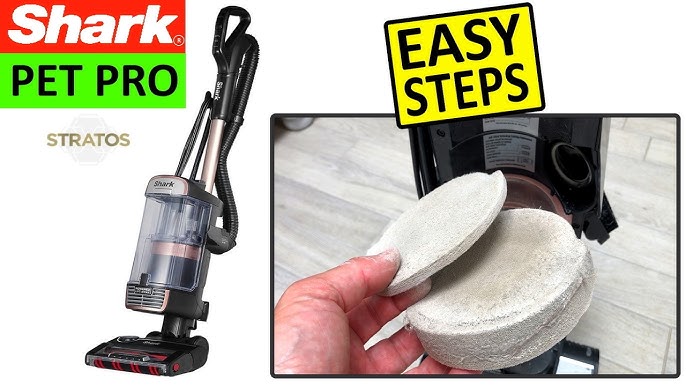
Credit: www.youtube.com
Troubleshooting: Filter Cleaning Issues
Problems can happen, but most have simple solutions.
Filter Still Looks Dirty After Washing
- Soak longer in warm, soapy water.
- Gently brush with a soft toothbrush.
- Replace if it stays discolored or smells bad.
Filter Warped Or Torn
- Replace immediately. Damaged filters can leak dust or harm the motor.
Water Stuck In Filter
- Squeeze gently and lay flat to dry.
- Place on a wire rack for better air circulation.
Can’t Remove Filter
- Double-check the manual.
- Some filters have a small tab or latch—don’t force it.
- Contact Shark support if you’re stuck.
Buying The Right Replacement Filter
Not all Shark filters are the same. Here’s how to choose the right replacement:
- Model number: Find it on your vacuum’s label or manual.
- Check compatibility: Only use filters made for your model.
- Buy from reliable sources: Use Shark’s website or trusted retailers. Avoid cheap, off-brand filters—they may not fit or filter well.
- Look for washable filters: These are better for the environment and save money.
How Filter Cleaning Improves Air Quality
A clean filter does more than help your vacuum. It also protects your family’s health:
- Reduces dust and pollen in the air.
- Traps pet dander and dust mites.
- Prevents mold growth inside your vacuum.
According to the Environmental Protection Agency (EPA), indoor air can be up to five times more polluted than outdoor air. Cleaning your Shark cordless filter regularly helps keep your home’s air cleaner and safer. For more details, see this EPA guide to home air filters.
Shark Cordless Filter Maintenance: At-a-glance
Here’s a quick summary for easy reference:
| Step | What to Do | How Often |
|---|---|---|
| Tap off dust | Remove loose dirt over trash can | Every use or weekly |
| Wash with water | Rinse filter under warm water | Monthly |
| Deep clean with soap | Use mild dish soap for stubborn dirt | Every 2-3 months |
| Dry fully | Air dry for at least 24 hours | After every wash |
| Replace | Install new filter when worn or damaged | Every 6-12 months |
Frequently Asked Questions
How Do I Know When My Shark Cordless Filter Needs Cleaning?
If you notice weaker suction, a dusty smell, or see visible dirt on the filter, it’s time to clean. For most users, cleaning once a month is enough. For homes with pets, allergies, or lots of dust, clean every 2–3 weeks. Some Shark vacuums have indicator lights to remind you.
Can I Use My Shark Cordless Without A Filter?
No. Running your Shark cordless without a filter can let dust and debris enter the motor, causing damage. It also blows dust back into the air. Always use a clean, dry filter for safe and effective vacuuming.
Is It Safe To Wash My Shark Cordless Filter In The Dishwasher?
No, you should never put your Shark filter in the dishwasher. The high heat and strong water jets can damage the filter material. Always wash by hand with mild soap and warm water.
What Should I Do If My Filter Still Smells After Cleaning?
If a filter still has a bad smell after cleaning and drying, it’s probably time to replace it. Smells often mean bacteria or mold is inside the filter. Never use air fresheners or chemicals—they can harm the filter and your air.
Where Can I Buy Replacement Shark Cordless Filters?
You can buy replacement filters from Shark’s official website, large online retailers, or trusted appliance stores. Always check that the filter matches your vacuum model. Avoid low-quality off-brand filters—they may not trap dust properly or fit your vacuum.
Taking care of your Shark cordless filter is simple, but it makes a big difference for your vacuum and your home. Regular cleaning keeps suction strong, protects your motor, and helps your family breathe easier. With the right habits, your Shark cordless will keep your floors and your air fresher, every single day.

Brandy A. Cherney lovingly refers to herself as a cleaning geek, born and bred in South Carolina but moved to New York City to earn her B.A. in English. She is currently a wife, and mother of two children, two cats, and a dog. Brandy has always loved writing, but never thought she would write for a living.