
If your Shark Rotator vacuum is suddenly losing suction, making strange noises, or just not cleaning like it used to, you’re not alone. Many people depend on their Shark Rotator vacuums for daily cleaning, so it’s frustrating when something goes wrong. The good news: Most problems with these vacuums are easy to fix at home, even if you don’t have technical skills. With a little patience and the right steps, you can bring your machine back to life and avoid expensive repair bills.
This guide covers everything you need to know to fix a Shark Rotator vacuum. You’ll learn how to diagnose common issues, perform step-by-step repairs, and keep your vacuum working at its best. Whether it’s a loss of suction, a jammed roller brush, or an odd burning smell, you’ll find clear solutions here. As a friendly mentor, I’ll share expert tips, real-life examples, and a few practical secrets that most beginners miss.
Understanding Your Shark Rotator Vacuum
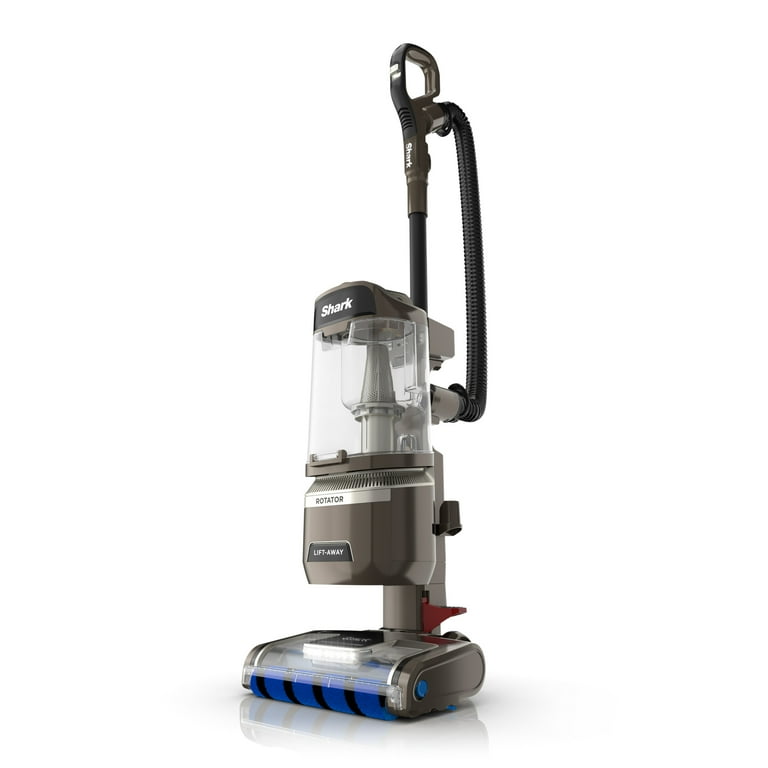
Before you start fixing anything, it helps to know how your vacuum works. The Shark Rotator is an upright vacuum with a powerful motor, a brush roll, filters, and a dust cup. Some models also have a lift-away feature, which lets you detach the canister for portable cleaning.
Key parts include:
- Dust cup: Holds the dirt and dust collected during cleaning.
- HEPA filter: Traps fine dust and allergens.
- Foam and felt filters: Protect the motor and improve air quality.
- Brush roll: Spins to lift dirt from carpets.
- Hose and wand: Carry suction to different parts of your home.
- Belt: Connects the motor to the brush roll.
Knowing these parts will help you identify issues and make repairs confidently.
Common Problems With Shark Rotator Vacuums
Shark Rotator vacuums are reliable, but certain problems appear again and again. Here are the most frequent complaints:
- Loss of suction
- Vacuum won’t turn on
- Brush roll not spinning
- Strange noises
- Burning smell
- Dust blowing back out
- Vacuum shuts off during use
- Clogged hose
- Lights flashing or error indicators
Each issue has different causes, but most can be fixed at home. Let’s dive into the solutions.
Safety First: Preparing To Fix Your Vacuum
Before you start any repair, always unplug your vacuum from the wall. This protects you from electric shock and prevents damage to the vacuum. Let the machine cool down for 10 minutes if it has been running. Wear gloves if you’re sensitive to dust or allergens.
Gather these basic tools:
- Phillips screwdriver
- Flathead screwdriver
- Clean cloths
- Scissors
- Soft brush or old toothbrush
- Replacement filters (if needed)
Now you’re ready to get started.
Step-by-step Solutions For Shark Rotator Problems
Fixing Loss Of Suction
If your Shark Rotator loses suction, cleaning becomes almost impossible. This is the most common problem and is usually easy to solve.
Check For Blockages
- Empty the dust cup – A full dust cup cuts suction power. Press the release button, empty it, and snap it back in place.
- Inspect the hose – Detach the hose and look inside. Shine a flashlight to spot blockages. Use a broomstick or flexible brush to push out clogs.
- Check the wand and attachments – Remove them and clear any debris.
- Clean the filters – Dirty filters restrict airflow. Take out the foam and felt filters (usually under the dust cup). Rinse them with cool water until the water runs clear. Let them dry for at least 24 hours before putting them back.
Examine The Brush Roll
A tangled brush roll reduces suction, especially on carpets. Flip the vacuum over and remove hair, string, or debris using scissors or your fingers. Many Shark Rotator models have a brush roll access cover you can remove with a screwdriver.
Non-obvious tip: Some users forget to check the small air intake near the brush roll. Dust often collects here and is easy to miss.
Replace The Hepa Filter
HEPA filters don’t last forever. If your vacuum still has low suction after cleaning everything else, replace the HEPA filter (typically every 12-18 months).
What To Do If Your Shark Rotator Won’t Turn On
A vacuum that won’t start can be worrying, but don’t panic—many causes are simple.
Check Power Connections
- Power cord: Make sure it’s fully plugged in and not loose.
- Outlet: Try a different outlet to rule out issues with your home’s wiring.
- Cord damage: Look for cuts, fraying, or burn marks on the cord.
Reset The Vacuum
Most Shark Rotators have a thermal reset switch. If the vacuum overheats, it shuts off automatically. Unplug the vacuum, wait 30 minutes, and plug it back in. This often solves the problem.
Inspect The On/off Switch
If the switch feels loose or doesn’t click, it may be faulty. This is less common, but you can replace the switch with a compatible part from the manufacturer or a hardware store.
Expert insight: Don’t forget about the handle release button—if it’s stuck, the vacuum may not power on properly.
Fixing A Brush Roll That Won’t Spin
The brush roll is crucial for deep cleaning carpets. If it stops spinning, dirt stays behind.
Switch Settings
Check that the vacuum is set to “Carpet” mode. On hard floor mode, the brush roll may not spin.
Remove Obstructions
Turn off and unplug the vacuum. Flip it over and remove the brush roll cover. Clear away any tangled hair or debris.
Inspect The Belt
If the belt is broken or loose, the brush roll won’t turn. Remove the side plate (usually a few screws) and inspect the belt. If it’s snapped or stretched, replace it.
Motorized Head Problems
Some models have a separate motor in the brush head. If the brush roll still won’t spin, the motor may be faulty. Replacement heads are available online, but this is one case where professional repair might be better if you’re not comfortable with electronics.
Non-obvious insight: The brush roll often stops spinning if the vacuum senses a jam. After clearing the jam, press the reset button (usually red) near the brush roll to restart it.
Dealing With Strange Noises
Unusual sounds can mean something is stuck, worn out, or broken.
Types Of Noises And Causes
- High-pitched whine: Usually a clogged hose or dirty filter.
- Rattling: Loose parts or debris in the brush roll.
- Grinding: The belt may be slipping or the brush roll bearings need cleaning.
Solutions
- Tighten any loose screws or parts.
- Remove any foreign objects from the hose or brush roll area.
- Clean and lubricate the brush roll bearings with a small drop of machine oil.
What To Do If You Smell Burning
A burning smell is a sign to stop immediately. It usually means a jammed brush roll or a belt problem.
How To Fix
- Unplug the vacuum and let it cool.
- Remove the brush roll cover and check for obstructions.
- Inspect the belt for melting or burning. Replace if needed.
- Smell the motor area—if the smell comes from here, it could be a more serious problem. In this case, contact Shark customer service.
Safety tip: Never use the vacuum if the burning smell continues after cleaning and replacing the belt.
Fixing Dust Blowing Back Out
If your Shark Rotator is releasing dust instead of trapping it, the filters or seals might be the problem.
- Check that the dust cup is sealed tightly after emptying.
- Clean or replace the HEPA and foam filters.
- Inspect the gasket (rubber seal) around the dust cup. If it’s cracked, you can buy a replacement.
Beginner mistake: Many people forget to let the filters dry fully after washing. Wet filters don’t trap dust and can cause mold.
Vacuum Shuts Off During Use
If your vacuum stops suddenly, it may be overheating. This is a safety feature.
- Let the vacuum cool for at least 30 minutes.
- Check for blockages and clean filters.
- Make sure the brush roll is free of jams.
If the problem continues, the motor may be failing.
Unclogging A Stuck Hose
A clogged hose is a common reason for poor performance. Here’s how to clear it:
- Detach the hose from both ends.
- Use a broom handle or a flexible cleaning brush to push out debris.
- Wash the hose with warm, soapy water and let it dry completely before reattaching.
Pro tip: Some people use a strong vacuum (like a shop vac) to suck out stubborn blockages from the hose.
Lights Flashing Or Error Indicators
Some Shark Rotator models have indicator lights that flash when there’s a problem.
- Red light: Usually means a jammed brush roll.
- Blinking lights: Often caused by a blockage or overheating.
Check your model’s manual for specific light codes. After fixing the issue, press the reset button to clear the error.
How To Clean And Maintain Your Shark Rotator
Regular maintenance prevents most problems. Here’s a schedule to keep your vacuum running smoothly:
- Empty the dust cup: After every use.
- Rinse foam and felt filters: Once a month.
- Replace HEPA filter: Every 12-18 months.
- Check the brush roll: Every 2-4 weeks.
- Inspect the hose and attachments: Monthly.
Cleaning The Filters: Step-by-step
- Remove the dust cup and pull out the foam and felt filters.
- Rinse with cool water—no soap needed.
- Squeeze out excess water and lay flat to dry for at least 24 hours.
- For the HEPA filter, tap it gently over a trash can to remove dust. Replace if it’s dark gray or damaged.
Brush Roll Maintenance
- Remove hair and string regularly.
- Use scissors to cut away anything wrapped around the roller.
- Check the bearings and ends for trapped debris.
Hose Care
- Detach and wash with warm, soapy water every few months.
- Let it dry fully to prevent mold and bad smells.
When To Replace Parts (and How To Find Them)
Some parts wear out over time and must be replaced to keep your vacuum working.
Common replacement parts:
- Filters (foam, felt, and HEPA)
- Brush roll
- Belt
- Hose
- Dust cup gasket
You can order these from the Shark website or authorized retailers. Always match the part number to your specific model.
Money-saving tip: Third-party filters are available online at a lower price, but check reviews to ensure quality.
Credit: www.walmart.com
Advanced Fixes: Handling Motor And Electrical Issues
Most Shark Rotator repairs are simple, but sometimes the problem is with the motor or wiring.
Signs Of Motor Trouble
- Vacuum won’t turn on even after cooling and resetting
- Burning smell from motor area
- Loud grinding or buzzing sound
If you suspect a motor issue:
- Check your warranty—Shark offers up to 5 years on many models.
- Contact Shark customer support for guidance.
- If out of warranty, find a local vacuum repair shop.
Expert warning: Opening the motor housing can void your warranty and is not recommended unless you have experience with electrical repairs.
Electrical Cord And Switch Replacement
If the cord is damaged or the switch fails:
- Unplug and open the handle or base as needed.
- Swap out the faulty part with a matching replacement.
- Carefully follow wiring diagrams or take photos before disassembling.
Comparing Shark Rotator To Other Upright Vacuums
To understand why the Shark Rotator is popular, let’s see how it compares with other leading upright vacuums.
| Feature | Shark Rotator | Dyson Ball Animal 2 | Bissell CleanView |
|---|---|---|---|
| Weight | 15.5 lbs | 17.5 lbs | 15.4 lbs |
| HEPA Filtration | Yes | Yes | No |
| Lift-Away Feature | Yes | No | No |
| Warranty | 5 years | 5 years | 3 years |
| Price (approx.) | $220 | $500 | $130 |
As you can see, the Shark Rotator offers strong value with its lift-away feature and HEPA filtration, making it popular for allergy sufferers.

Credit: www.youtube.com
Shark Rotator Maintenance Schedule Comparison
It helps to know how the Rotator’s maintenance needs compare to other models.
| Task | Shark Rotator | Dyson Ball Animal 2 | Bissell CleanView |
|---|---|---|---|
| Filter Cleaning | Monthly | Monthly | Every 2-3 months |
| Brush Roll Cleaning | Every 2-4 weeks | Monthly | Monthly |
| HEPA Filter Replacement | 12-18 months | 12 months | N/A |
| Hose Cleaning | 3-6 months | 6-12 months | 6 months |
This helps you plan your time and budget for long-term vacuum care.
Practical Tips For Keeping Your Shark Rotator In Top Shape
- Don’t overfill the dust cup: Empty it when it’s 2/3 full to avoid blockages.
- Keep filters dry: Wet filters can damage the motor.
- Use the right attachments: Using the wrong tool (for example, on pet hair) can clog the vacuum quickly.
- Store the vacuum indoors: Moisture and temperature swings can damage seals and electronic parts.
- Check for updates: Shark sometimes releases improved parts or filters for existing models.
Insider tip: If you have pets or lots of carpet, cleaning the brush roll every week can prevent most performance problems.
What Most Beginners Miss
- Filter drying time: Many users put filters back while still damp, not realizing this restricts airflow and can even cause mold.
- Hidden blockages: Clogs often happen in the narrow air path just above the dust cup. Use a flashlight and thin brush to check here.
- Reset button location: Some people don’t realize there’s a red reset button near the brush roll. If your vacuum suddenly stops, press this after clearing jams.
When To Call For Professional Help
Most Shark Rotator fixes are DIY-friendly, but sometimes you need a pro.
- Persistent electrical issues: If the vacuum keeps shutting off or won’t start after resets.
- Motor problems: Loud noises or burning smells from the motor.
- Physical damage: Cracks in the body, broken wheels, or damaged handles.
Warranty reminder: If your vacuum is still under warranty, repairs may be free or discounted. Always check with Shark’s official support (Shark Support) before paying for a repair.

Credit: www.ifixit.com
Frequently Asked Questions
How Often Should I Clean The Filters On My Shark Rotator?
You should rinse the foam and felt filters every month and let them dry completely before reinstalling. Replace the HEPA filter every 12-18 months. If you use your vacuum daily or have pets, consider cleaning filters more often.
Why Does My Shark Rotator Smell Bad?
A bad smell usually means the filters or hose are dirty or wet. Clean the filters, wash the hose with soapy water, and make sure everything is dry before using the vacuum again. Avoid vacuuming up wet messes, as they can cause mold and odors.
Can I Use Third-party Filters And Belts?
Yes, many third-party filters and belts work well with Shark Rotator vacuums and can save you money. However, always check reviews to ensure good quality. Using low-quality filters can reduce suction and damage the vacuum over time.
What Should I Do If The Brush Roll Light Is Flashing?
A flashing brush roll light means the brush roll is jammed or blocked. Turn off and unplug the vacuum, clear any tangles or debris from the brush roll, and press the reset button (usually red) near the roller.
Is It Safe To Repair The Vacuum Myself If It’s Under Warranty?
If your vacuum is still under warranty, it’s best to contact Shark customer support before making repairs yourself. DIY repairs can sometimes void the warranty. For minor cleaning and filter changes, you’re usually safe, but for electrical or motor issues, let the professionals handle it.
A well-maintained Shark Rotator vacuum can last many years and keep your home clean and fresh. With these step-by-step fixes and tips, you have everything you need to handle most problems yourself. Remember to clean filters regularly, clear blockages quickly, and don’t be afraid to ask for help if something feels too complex.
Taking good care of your vacuum saves money, time, and frustration—so your floors always look their best.

Brandy A. Cherney lovingly refers to herself as a cleaning geek, born and bred in South Carolina but moved to New York City to earn her B.A. in English. She is currently a wife, and mother of two children, two cats, and a dog. Brandy has always loved writing, but never thought she would write for a living.