
Keeping your Shark vacuum working at its best takes more than just emptying the dust cup. One of the most important steps is cleaning the HEPA filter. This small but powerful filter can trap 99.97% of dust, pollen, pet dander, and even microscopic particles. But as the filter collects all that debris, it can get clogged, reducing suction power and letting allergens escape back into your home.
Many Shark owners don’t realize that a dirty HEPA filter can make the vacuum struggle, smell bad, and even shorten its life. If you’ve noticed your vacuum isn’t picking up like before, or the air smells musty, your HEPA filter could be the reason.
Cleaning it the right way isn’t hard, but there are key steps and mistakes to avoid if you want your vacuum to last.
In this guide, you’ll learn everything you need to know about how to clean Shark vacuum HEPA filter properly. From understanding why and when to clean it, to step-by-step instructions, troubleshooting tips, and answers to the most common questions—this is your complete resource. Whether you’re a new Shark owner or just want to do things right, let’s make sure your vacuum stays powerful and your indoor air stays fresh.
Why The Hepa Filter Matters In Your Shark Vacuum
The HEPA filter is one of the most important parts of your Shark vacuum. “HEPA” stands for High-Efficiency Particulate Air. These filters are designed to trap tiny particles, including dust mites, pollen, pet hair, and even mold spores. For people with allergies or asthma, this makes a big difference. According to the EPA, HEPA filters remove at least 99.97% of particles that are 0.3 microns in size.
But when the filter is dirty, it can’t work properly. Airflow is blocked, the motor works harder, and particles may get pushed back into your home. You might not see the dust, but you’ll feel the effects—less suction, more sneezing, and a vacuum that might wear out sooner than it should.
If you want your Shark vacuum to keep your home clean and your air healthy, cleaning the HEPA filter is not optional—it’s essential.
How Often Should You Clean The Shark Vacuum Hepa Filter?
There’s no single answer for every Shark model or household, but here’s a reliable guideline:
- Light use (once a week or less): Clean every 3 months
- Regular use (2-3 times a week): Clean every 2 months
- Heavy use (daily, pets, high-traffic): Clean every month
If you have allergies, live in a dusty area, or have pets, clean your HEPA filter more often. If you see dust buildup, notice a smell, or the vacuum loses power, clean it right away.
Some Shark models have filter indicator lights. If yours does, trust the light—but still check the filter at least every 3 months.
Tools And Supplies You’ll Need
Getting ready before you start makes cleaning faster and safer. Here’s what you’ll need:
- Clean water (lukewarm, not hot)
- Mild dish soap (fragrance-free is best)
- A small soft brush (old toothbrush or paintbrush)
- Paper towels or clean cloths
- Latex or nitrile gloves (optional, but good if you have allergies)
- A clean, dry workspace (bathroom sink or laundry area)
Avoid using harsh chemicals, bleach, or compressed air—they can damage the filter.
Where Is The Hepa Filter In Your Shark Vacuum?
Most Shark vacuums have the HEPA filter inside the main body, usually behind the dust cup or under a cover near the base. Here’s how to find it on common models:
- Shark Navigator: HEPA filter is under the front cover, below the dust cup.
- Shark Rotator: Located at the base, often with a cover marked “HEPA.”
- Shark Rocket and Stick Models: Usually near the motor or dust bin.
If you’re not sure, check your user manual or look for a rectangular or circular cartridge with pleated white material.
/how-to-clean-shark-vacuum-filter-5217133-06-81debb2bce5e48668277f5ad4fbe11f4.jpg)
Credit: www.thespruce.com
Step-by-step: How To Clean Shark Vacuum Hepa Filter
Cleaning your HEPA filter is simple if you follow these steps carefully. Don’t rush—let each step finish before moving on to the next.
1. Turn Off And Unplug The Vacuum
Never clean the filter with the vacuum plugged in. Unplug it from the wall. This keeps you safe and protects the vacuum from electrical damage.
2. Remove The Dust Cup And Locate The Hepa Filter
Take out the dust cup or bin. Set it aside. Find the HEPA filter—this usually involves removing a cover or pressing a release button.
Tip: Wear gloves if you have allergies or don’t want dust on your hands.
3. Take Out The Hepa Filter
Carefully pull out the HEPA filter. It might be snug, but don’t force it. Notice how it’s positioned—this helps you put it back correctly later.
4. Tap Out Loose Dust
Take the filter outside or over a trash can. Gently tap it to remove loose dust and debris. Do not bang it hard—you could damage the pleats.
This step alone can improve suction by 10–15% if the filter is very clogged.
5. Rinse With Lukewarm Water
Hold the filter under lukewarm running water. Rinse from the clean side to the dirty side, so dust washes out, not deeper in. Do not use hot water—it can warp the filter.
Do not scrub hard. For stubborn dirt, gently use a soft brush in a circular motion.
6. Use Mild Soap (if Needed)
If the filter is very dirty or greasy (common in homes with pets or kitchens), fill a bowl with lukewarm water and a drop of mild dish soap. Swish the filter gently—don’t twist or squeeze. Rinse with clean water until all soap is gone.
Never use bleach, vinegar, or strong cleaners. They can ruin the filter’s fibers.
7. Shake Off Excess Water
After rinsing, shake the filter gently to remove as much water as possible. Do not wring, twist, or press—it can tear the filter.
8. Let The Filter Air Dry Completely
Place the filter upright on a paper towel in a well-ventilated area. Do not put it back in the vacuum until it’s 100% dry—usually 24 to 48 hours. A damp filter can grow mold or damage your vacuum.
Tip: Set a reminder to check the filter before reassembling your vacuum.
9. Reinstall The Filter And Dust Cup
Once dry, slide the HEPA filter back into its slot. Make sure it fits snugly. Replace any covers and snap the dust cup back in place.
10. Plug In And Test
Plug the vacuum in and turn it on. Listen for smooth suction. If you hear strange sounds or notice weak suction, double-check that the filter is completely dry and installed correctly.
Cleaning Tips For Shark Vacuum Hepa Filters
- Always air dry: Never use a hairdryer, oven, or heater to speed up drying. Heat can melt or warp the filter.
- Do not reuse a damaged filter: If the filter is torn, cracked, or won’t get clean, replace it.
- Keep a backup: Consider buying an extra HEPA filter, so you can use your vacuum while one filter dries.
- Label the filter: Write the cleaning date on the plastic edge with a marker. This helps you track cleaning.
Common Mistakes To Avoid
Even experienced owners sometimes make errors when cleaning HEPA filters. Avoid these mistakes for best results:
- Washing too often: Over-cleaning can wear out the filter faster. Stick to the recommended schedule.
- Using hot water: This can damage the filter media and reduce efficiency.
- Using strong chemicals: Bleach, alcohol, or strong soaps break down filter fibers.
- Not drying completely: A damp filter can cause mold, odor, and even short-circuit the vacuum.
- Forcing the filter in or out: Always handle gently to avoid tears.
- Ignoring the gasket: Many Shark HEPA filters have a rubber seal. If it’s cracked or missing, replace the filter.
When Should You Replace The Hepa Filter?
Cleaning can extend the life of your HEPA filter, but it won’t last forever. Most Shark HEPA filters should be replaced every 12 to 24 months. Heavy use, pets, or allergies may require more frequent changes.
Signs it’s time for a new filter:
- The filter is torn, smells bad, or stays dirty after cleaning.
- Suction does not improve after cleaning.
- The vacuum overheats or shuts off often.
- The filter’s color changes (yellow or brown stains).
Check your vacuum’s manual for the recommended replacement schedule.
Comparing Shark Hepa Filters: Washable Vs Non-washable
Not all Shark HEPA filters are the same. Some are washable, while others are non-washable and must be replaced when dirty. Always check your manual or the filter itself—washable filters usually say “Washable” on the side.
Here’s a quick comparison:
| Type | Can Be Washed? | Typical Lifespan | Cost |
|---|---|---|---|
| Washable HEPA | Yes | 1–2 years | $15–$30 |
| Non-Washable HEPA | No (replace only) | 6–12 months | $10–$25 |
If you’re not sure, search for your Shark model on the company’s official site or contact customer service.
How A Clean Hepa Filter Improves Your Shark Vacuum
Cleaning the HEPA filter does more than just boost suction. Here are some real benefits:
- Stronger airflow: Your vacuum picks up more dust and debris from carpets and hard floors.
- Better air quality: Fewer allergens and dust get released back into your home.
- Quieter operation: Less strain on the motor means fewer strange noises.
- Longer vacuum life: Less stress on the motor and parts.
- No odors: A clean filter helps prevent that “dirty vacuum” smell.
In tests, vacuums with clean HEPA filters can pick up up to 30% more fine dust compared to dirty ones.
What If My Shark Vacuum Still Has Weak Suction After Cleaning The Hepa Filter?
If you’ve cleaned the HEPA filter and still notice poor suction, check these possible causes:
- Other filters dirty: Most Shark vacuums have pre-motor foam and felt filters. Clean or replace them.
- Blockages: Hoses, brushrolls, or attachments may be clogged.
- Dust cup not installed correctly: Make sure all parts are snapped in tight.
- Motor problems: If the vacuum still struggles, it could be a motor issue—contact Shark support.
How To Make Your Hepa Filter Last Longer
A few smart habits can help your HEPA filter work better and last longer:
- Empty the dust cup often: Don’t wait until it’s full—this keeps dust from reaching the filter.
- Vacuum high-traffic areas more: Frequent vacuuming means less dirt buildup.
- Keep floors dry: Wet debris clogs filters much faster.
- Vacuum in slow passes: Rushing stirs up extra dust.
- Store your vacuum indoors: Avoid humid places like garages or basements.
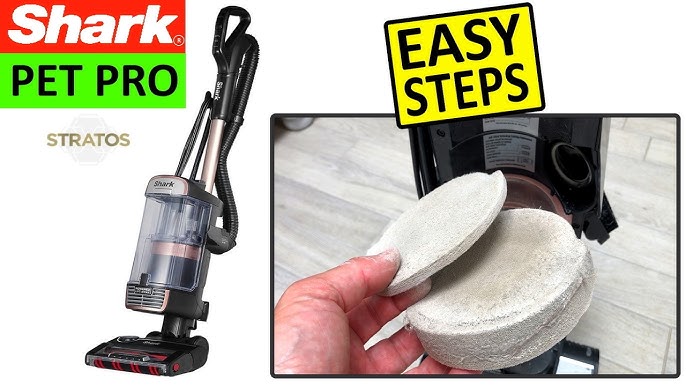
Credit: www.youtube.com
Comparing Shark Hepa Filter Cleaning Vs. Replacement
Is it better to clean or just replace your HEPA filter? Here’s a quick look:
| Option | Pros | Cons | Cost |
|---|---|---|---|
| Cleaning | Saves money Reduces waste Easy to do | Takes time to dry Filter wears out eventually | $0 (if washable) |
| Replacement | Always fresh No downtime | Costs more More waste | $10–$30 each |
Most owners clean their filter every 1–3 months, and replace it once a year.
Extra Steps For Allergy And Asthma Sufferers
If you or someone in your home has asthma or allergies, take a few extra steps when cleaning your Shark vacuum’s HEPA filter:
- Wear a mask and gloves.
- Rinse the filter outside if possible.
- Let the filter dry in a sunny, open area.
- Replace filters more often (every 6–12 months).
For more information on HEPA filtration and allergies, the EPA’s HEPA filter guide has trusted facts.
Signs Your Shark Hepa Filter Needs Immediate Cleaning
Don’t wait for your regular schedule if you notice any of these:
- Your vacuum smells musty or “burnt.”
- The suction drops suddenly.
- The filter looks gray, brown, or black.
- You see dust blowing out the exhaust.
- The vacuum is louder than usual.
A quick filter check can save you from bigger repairs.
How To Clean Pre-motor Filters Along With The Hepa Filter
Most Shark vacuums use a multi-filter system. The pre-motor filters (usually foam and felt) catch larger particles before air reaches the HEPA filter. Clean these every month for best results.
Steps:
- Remove the foam and felt filters (usually near the dust cup).
- Tap off loose dirt.
- Wash with lukewarm water (no soap needed).
- Air dry completely (24 hours).
- Reinstall only when fully dry.
Keeping all filters clean makes your HEPA filter last longer.
Shark Vacuum Models And Their Filter Types
Different Shark vacuums use different HEPA filters and cleaning methods. Here’s a quick comparison of popular models:
| Model | HEPA Filter Type | Washable? | Pre-Motor Filters |
|---|---|---|---|
| Navigator Lift-Away | Cartridge | Yes | Foam & Felt |
| Rotator Professional | Cartridge | Yes | Foam & Felt |
| Rocket Ultra-Light | Pad | Yes | Foam |
| Shark IQ Robot | Cartridge | No | Foam |
Always check your model’s manual for the correct cleaning method.
Non-obvious Insights Most People Miss
- HEPA filters can look clean but be clogged inside. Even if the outside is white, microscopic dust can block airflow. If suction is down, clean or replace the filter.
- Letting the filter dry in direct sunlight can help kill germs and odors. But never use a heater or dryer.
What To Do If You Lose Or Damage Your Hepa Filter
Don’t run your Shark vacuum without a HEPA filter. This can damage the motor and spread dust everywhere. Order a replacement from Shark’s official website or an authorized dealer. Using off-brand filters can void your warranty or reduce performance.
Frequently Asked Questions
How Do I Know If My Shark Vacuum Has A Hepa Filter?
Most Shark upright and canister vacuums have a HEPA filter. Check your manual or look for a label on the vacuum. If you see “HEPA” or “Anti-Allergen Complete Seal,” your vacuum has a HEPA filter.
Can I Use My Shark Vacuum Without The Hepa Filter?
No, never run your Shark vacuum without its HEPA filter. This lets dust and allergens escape and can damage the motor. Always install the filter before using the vacuum.
Is It Safe To Wash The Hepa Filter With Soap?
Yes, but only use a small amount of mild dish soap and rinse thoroughly. Avoid strong chemicals or too much soap, as residue can block airflow.
How Long Should I Let The Hepa Filter Dry Before Reinstalling?
Let the filter air dry for at least 24 hours—48 hours is better. It must be completely dry to prevent mold and protect your vacuum.
Where Can I Buy Genuine Shark Hepa Filters?
Buy from the official Shark website, authorized retailers, or large home stores. Avoid very cheap filters from unknown brands—they may not fit or work as well.
Keeping your Shark vacuum’s HEPA filter clean isn’t just a chore—it’s the key to strong suction, healthy air, and a vacuum that lasts for years. With the right care and a little attention to detail, your Shark will keep your home fresh and dust-free, every time you clean.

Credit: www.reddit.com

Brandy A. Cherney lovingly refers to herself as a cleaning geek, born and bred in South Carolina but moved to New York City to earn her B.A. in English. She is currently a wife, and mother of two children, two cats, and a dog. Brandy has always loved writing, but never thought she would write for a living.